How to Tell If Clothes Are Good Quality Before You Buy
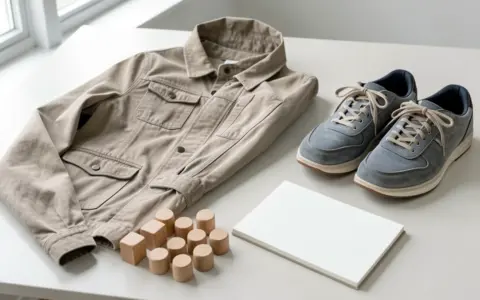
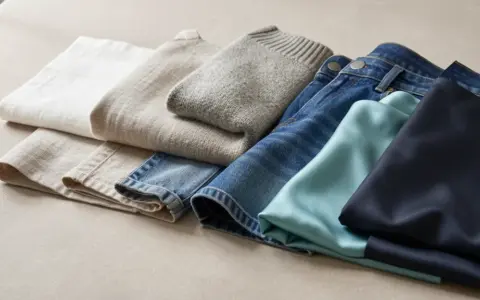
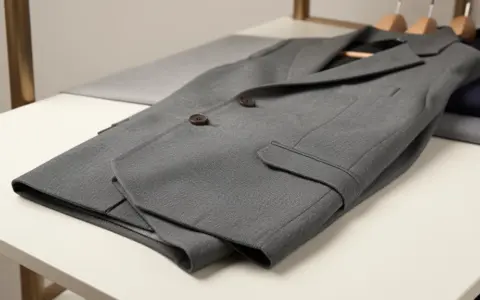
Inspect fabric, seams, hems, stress points, hardware, lining, movement, and care needs without relying on price, brand, or fiber shortcuts.



Practical guides to personal style, clothing, and smarter shopping.
Inspect fabric, seams, hems, stress points, hardware, lining, movement, and care needs without relying on price, brand, or fiber shortcuts.
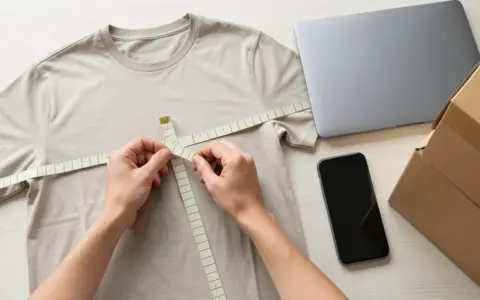
Use current size charts, measurements, fabric clues, and return terms to choose online clothes with fewer fit surprises.
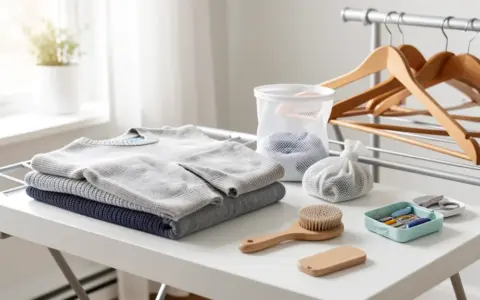
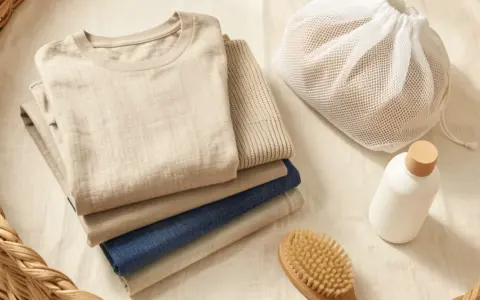
Use practical washing, drying, storage, stain, and repair habits to reduce avoidable wear and keep more clothes in regular rotation.
Audit your wardrobe using evidence from fit, condition, comfort, wear frequency, and real outfits—not guilt or arbitrary decluttering rules.
Discover your personal style through outfit observation and low-cost experiments with clothes you own—before making a shopping list.
Use tracked wear history, price, alteration, and care costs to compare clothing purchases without relying on optimistic forecasts.
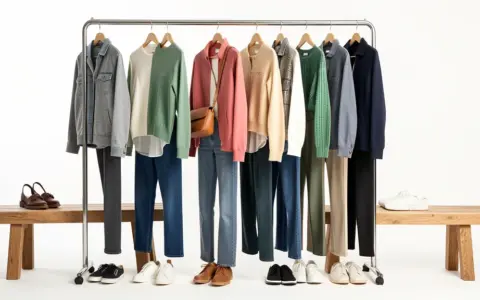
Build a flexible capsule around your routine, climate, laundry schedule, and repeatable outfits—not someone else’s must-have list.
Build seven repeatable outfit formulas from clothes you own, then adapt the proportions, layers, and shoes to your day.
Compare fibers without relying on labels alone, then check construction, density, recovery, opacity, drape, and care before buying.
Decode care label symbols and wording, sidestep the laundry mistakes that age clothes early, and follow a simple routine that keeps garments in rotation.