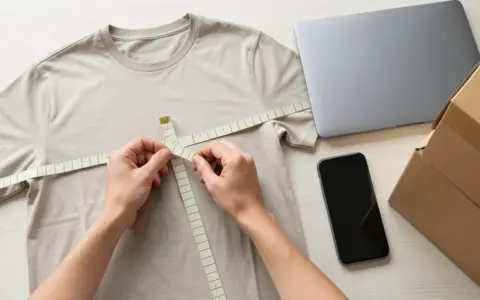


To read a clothing care label, find the fiber content when it is available, then work through the care instructions in the order most US labels present them: washing, bleaching, drying, ironing, and professional cleaning. Words spell the method out, and symbols compress the same information into five shapes: a washtub for washing, a triangle for bleach, a square for drying, an iron for pressing, and a circle for professional care. Within those shapes, dots usually indicate heat levels, bars under a symbol call for a gentler cycle, and an X through any symbol means that treatment is off the table.
By Logan Delaney · Updated July 17, 2026 · 11 min read
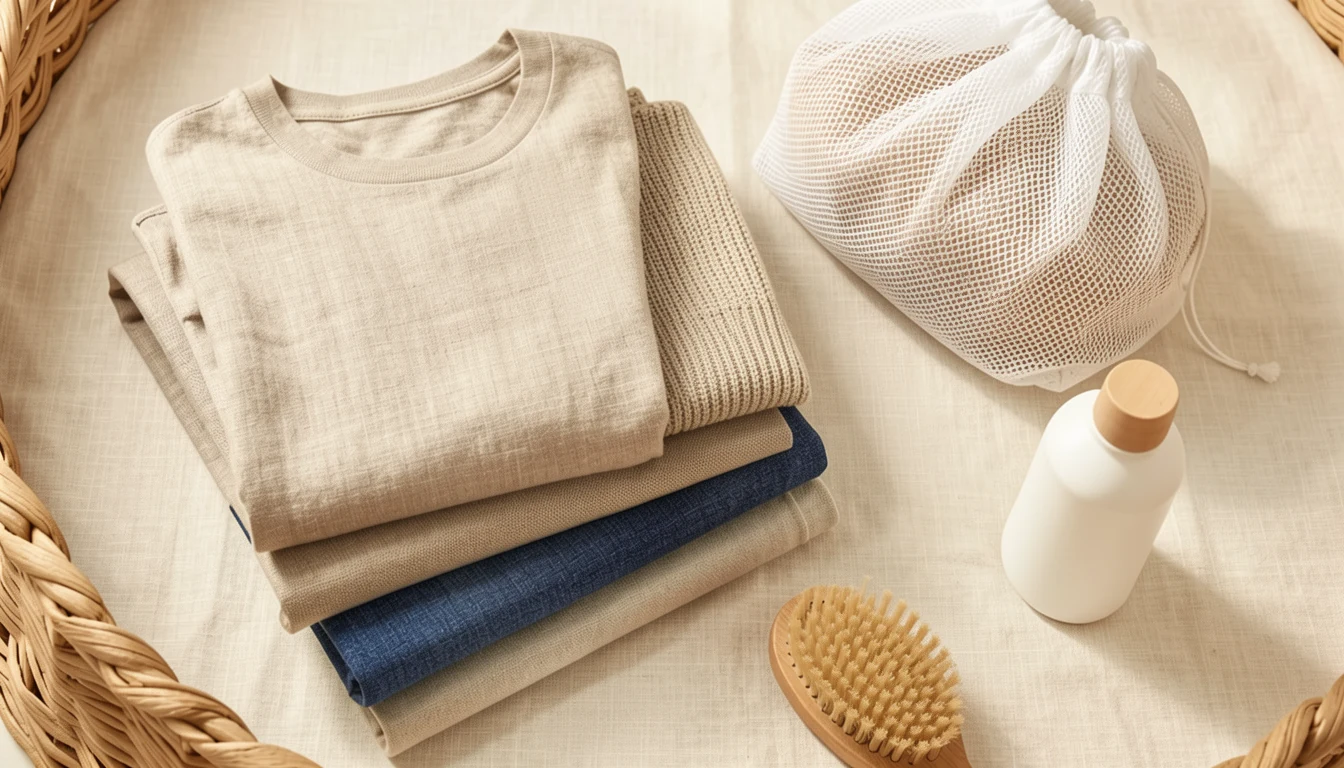
The reason this is worth thirty seconds at the hamper is that heat, agitation, and unsuitable additives can accelerate fading, shrinkage, pilling, and loss of shape. Reading the label, then choosing the least aggressive method that still gets the item clean, is a low-cost habit for keeping clothes in rotation. No routine makes a garment last a specific number of years, but repeatedly using care methods that conflict with the label can cause avoidable damage.
Key points
- US labels generally provide care instructions; if no cleaning method can be recommended safely, the label may instead warn against both washing and dry cleaning.
- Five symbol families cover washing, bleaching, drying, ironing, and professional care; dots signal heat and an X means avoid.
- Symbol conventions vary by country; if words and symbols appear to conflict, consult the manufacturer or a qualified cleaner.
- Fiber content, trims, and linings explain most surprising instructions, like a cotton-looking blazer marked for dry cleaning.
- When instructions are unclear, check the written directions, fiber content, and trim before choosing a conservative method that does not conflict with the label.
What a care label is actually telling you
In the United States, the Federal Trade Commission’s Care Labeling Rule requires manufacturers and importers to attach care instructions to most textile garments and to have a reasonable basis for the instructions they choose. That framing matters more than it sounds. The rule requires the manufacturer to have a reasonable basis for the listed method. It does not promise that every other method will destroy it, and it does not have to mention alternatives at all.
A shirt marked machine wash warm may tolerate cold water, although cleaning performance and dye behavior can differ. A dress marked dry clean should be treated as requiring professional cleaning unless you knowingly accept the risk of deviating from the listed method. Reading a label well means treating it as a method backed by the manufacturer’s reasonable basis rather than a complete map of every possible alternative.
One more caveat before decoding symbols: they are not a single universal language. American labels may use words, symbols, or both, and the US symbol set differs in small ways from the systems used in Europe and Asia. The shapes below follow common US conventions; if a symbol on an imported garment looks ambiguous or conflicts with the words, consult the manufacturer or a qualified cleaner.
The five symbol families, decoded
Washing: the tub
A tub of water means the garment can be machine washed. Dots inside commonly signal water temperature: one dot for cold, approximately 65–85°F (30°C), two for warm, around 105°F, and three for hot, around 120°F. A single bar under the tub calls for a permanent press cycle, which agitates less and cools the load before spinning. Two bars call for the delicate or gentle cycle. A hand dipped into the tub means hand wash only, in cool water with minimal wringing. A tub crossed out means do not wash at all, an instruction that usually appears alongside a professional care symbol.
Bleaching: the triangle
An open triangle means any bleach may be used when needed. A triangle with two diagonal lines restricts you to non-chlorine bleach, the oxygen-based kind sold as color-safe. A crossed-out triangle means no bleach of any type, including the oxygen boosters mixed into some detergents and stain removers. Skipping the bleach instruction can lead to discoloration or fiber damage, especially in garments with stretch fibers or delicate trim.
Drying: the square
A square handles drying, in two branches. A circle inside the square means tumble drying is allowed; dots inside that circle set the heat, one for low, two for medium, three for high, while a filled-in circle means tumble with no heat. A crossed-out circle in a square means no tumble drying at all. The other branch covers air drying: a curved line hanging from the top of the square means line dry, a horizontal bar in the middle means dry flat, which matters for knits that stretch under their own wet weight, and vertical lines mean drip dry without wringing. Diagonal corner lines add dry in the shade, a nod to dyes that fade in direct sun.
Ironing: the iron
The iron silhouette uses the same dot logic. One dot means low heat for synthetics like polyester and nylon, which scorch or melt quickly. Two dots mean medium heat for wool and silk. Three dots mean high heat, which cotton and linen usually need before wrinkles surrender. Crossed-out steam lines under the iron mean no steam, a restriction on some silks and finished fabrics that water-spot. A crossed-out iron means do not iron at all.
Professional care: the circle
A plain circle indicates professional cleaning. In the ASTM symbol set referenced by the FTC, letters such as A, P, or F give the cleaner process-specific information; the consumer should follow the label and point out stains or special concerns. A crossed-out circle means do not dry clean, worth noticing on delicate pieces you might otherwise drop off out of caution, since dry-cleaning solvents can damage some coatings, beads, and glues.
Why the same instruction means different things on different garments
Care labels make more sense read alongside the fiber content, because each instruction usually protects a specific weakness. Many cotton knits can shrink with heat, so hot tumble drying can shorten some cotton tees. Wool minds agitation plus warmth more than water itself, since that combination mats its scales into felt; hence hand washing and flat drying. Elastane, the stretch in jeans and leggings, breaks down under high heat, and high heat can degrade stretch fibers; the garment’s own label should determine the drying setting. Rayon and viscose lose much of their strength while wet, which explains gentle cycles and reshaping. Silk dyes and finishes vary, so its specific label should determine water temperature, drying, and professional-care requirements.
Context outside the fabric matters too. A blazer whose shell fabric is plainly washable may still say dry clean because its structure comes from interfacing, shoulder padding, and lining that would pucker or bubble in a washer. Screen prints, beads, fusible hems, and leather trims can determine the safest care method even when the shell fabric looks washable. For blends, follow the full care label rather than assuming the majority fiber controls the process.
This is also a buying skill, not just a laundry skill. If you are assembling a small closet of pieces you wear constantly, as described in our guide to building a versatile wardrobe on a budget, checking the label before purchase reveals whether an item also brings recurring professional-care costs. A low purchase price may be less attractive once recurring professional-cleaning costs are included.
A decision table for everyday laundry
Use this table as a quick translation layer between what the label shows and what to actually do when you are unsure.
| Label shows or says | What it generally means | Safe default action |
|---|---|---|
| Tub with one dot, or machine wash cold | Use the listed cold-water wash setting | Wash cold; follow the separate drying instruction on the label |
| Tub with one bar underneath | Permanent press wash cycle | Use permanent press for washing; follow the separate drying instruction |
| Tub with two bars, or gentle cycle | Use a gentle or delicate wash cycle | Wash on gentle; follow the separate drying instruction |
| Hand in tub | The label calls for hand washing rather than a machine cycle | Cool hand wash, press water out, never wring |
| Triangle with diagonal lines | Chlorine bleach will damage fiber or color | Oxygen bleach only, and only when stains demand it |
| Crossed-out circle inside a square | Tumble drying is not an approved method | Follow any listed line-dry, flat-dry, drip-dry, or shade instruction |
| Iron with one dot | Use a low-temperature iron setting | Keep the soleplate at or below approximately 230°F (110°C) |
| Plain circle, or dry clean | The label indicates professional cleaning | Use a qualified cleaner and point out stains and their cause |
A step-by-step routine that follows the labels
Reading labels only pays off if the information changes what happens at the machine. This sequence takes a few extra minutes per load and covers nearly every instruction you will meet.
- Sort by care, not just color. Pile by wash temperature and cycle first, then split any large pile by color. A cold-gentle pile and a warm-normal pile matter more than separating every shade.
- Pull the exceptions. Hand-wash items, dry-clean garments, and anything marked wash separately leave the piles now, before habit sweeps them into the drum.
- Prep each garment. Empty pockets, close zippers and hooks so they cannot snag knits, and turn printed or dark items inside out to reduce surface abrasion.
- Set the machine to the most delicate item in the load. If one blouse needs cold and gentle, the whole load runs cold and gentle. Cold water with a modern detergent cleans typical daily soil well.
- Dose detergent modestly. More detergent does not mean cleaner clothes; unrinsed residue stiffens fabric and dulls color. Follow the cap markings for load size and soil level.
- Dry by label, and undershoot the heat. Tumble only what the square allows, on the lowest heat that gets the job done, and pull items while barely damp. Lay knits flat, hang wovens.
- Finish promptly. Smooth seams, reshape collars, and fold or hang the garment as its label and construction allow.
A worked example: tonight’s basket holds cotton tees marked cold wash and tumble low, stretch jeans marked cold and tumble low, a polyester blouse marked cold gentle and line dry, and a wool sweater marked hand wash and dry flat. The sweater exits for a sink wash and a towel-flat finish. The blouse can join the rest only if the load runs cold and gentle, so it does; the tees already allow a cold wash. Afterward the blouse hangs while everything else tumbles on low. One basket, two processes, every label satisfied.
Common mistakes that age clothes early
- Treating the dryer as the default. High tumble heat is a frequent source of avoidable shrinkage, elastic fatigue, and surface wear, especially when the label calls for low heat or air drying.
- Reading the tub and ignoring the bars. Cold water on a normal cycle still batters a garment that asked for gentle; agitation does damage that temperature alone cannot explain.
- Assuming color-safe bleach is always safe. A crossed-out triangle rules out oxygen bleach too, including the boosters hiding in some stain sprays.
- Washing structured pieces because the fabric seems washable. Blazers and coats are usually marked for professional care because of what is inside them, not the shell fabric.
- Wringing hand-wash items. Twisting can distort wet fibers or garment shape; press water out and roll the piece in a towel instead.
- Ironing over the dots. A high-temperature setting can shine, scorch, or melt some synthetics; check the iron symbol before the plate touches fabric.
Frequently asked questions
Do I have to follow the label exactly?
The label documents a method the maker stands behind, so following it is the lowest-risk choice. A less aggressive method may work in some cases, but cleaning performance, dyes, trims, and structure can respond differently. Hotter water, unapproved bleach, or higher heat carries the clearest risk of damage.
Does dry clean mean the garment can never touch water?
Not necessarily, but it means professional cleaning is the method the maker supports. Linings, interfacings, dyes, coatings, and trim may react differently to water, and that risk is difficult to judge from the outside. If the label says dry clean, professional care is the lowest-risk choice.
What should I do when the label is missing?
Start by identifying the fiber content and construction. For a simple garment that is clearly washable, a conservative cold, gentle process may be reasonable, but structured, tailored, coated, embellished, or high-value pieces are better assessed by a professional cleaner. Spot-test only where the result will not be visible.
Why did my sweater shrink even though I followed the instructions?
Care instructions require a reasonable basis, which may come from reliable evidence such as industry experience, technical expertise, or testing; they are not a lifetime guarantee. Damage can also be cumulative: repeated heat and agitation may gradually alter fibers, finishes, elastic, or shape. If a garment begins to change shape, step down to gentler care rather than continuing what the label technically permits.
Are care symbols the same in every country?
The five basic shapes are broadly shared, but the details, especially temperature markings and the professional care letters, differ between the American system and those used elsewhere. An imported garment may carry symbols that look familiar and mean something slightly different, which is another reason written instructions outrank a half-remembered chart.
Final takeaway
Care labels reward a simple reading habit: check the fiber, scan the five symbol families, obey every X, and avoid improvising when construction or trim makes the result uncertain. Heat and agitation can accelerate wear, so the label’s quiet job is to keep both within a method for which the manufacturer has a reasonable basis.
There is a money angle, too. Keeping a useful shirt in rotation can delay a replacement purchase, and that can support whatever budgeting frame you use, whether that is a detailed plan or the simple split in our walkthrough of the 50/30/20 rule. Thirty seconds at the hamper is one of the few habits that is kind to your clothes and your budget at the same time.

Logan Delaney is the staff byline for Cactos New Hub guides on personal finance, smart shopping, personal style, and everyday decisions. Articles under this byline are reviewed for clarity, usefulness, and internal consistency before publication.