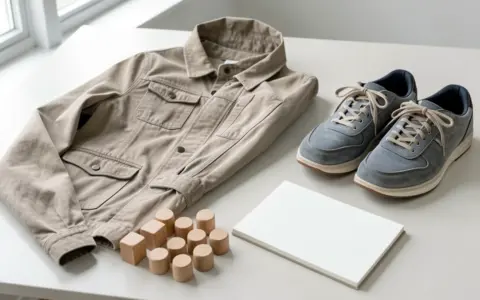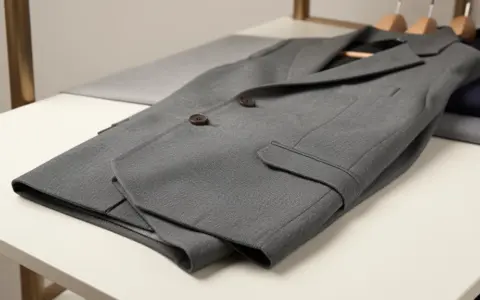


To shop for clothes online and improve your odds of getting the right fit, ignore the size letter until you have checked the retailer’s current chart for that specific item. Compare your body measurements and the dimensions of a similar garment you already like with the product information, then account for the intended silhouette, fabric stretch, and return terms. A familiar size label is only a starting point, not a transferable measurement.
By Logan Delaney · Updated July 17, 2026 · 10 min read
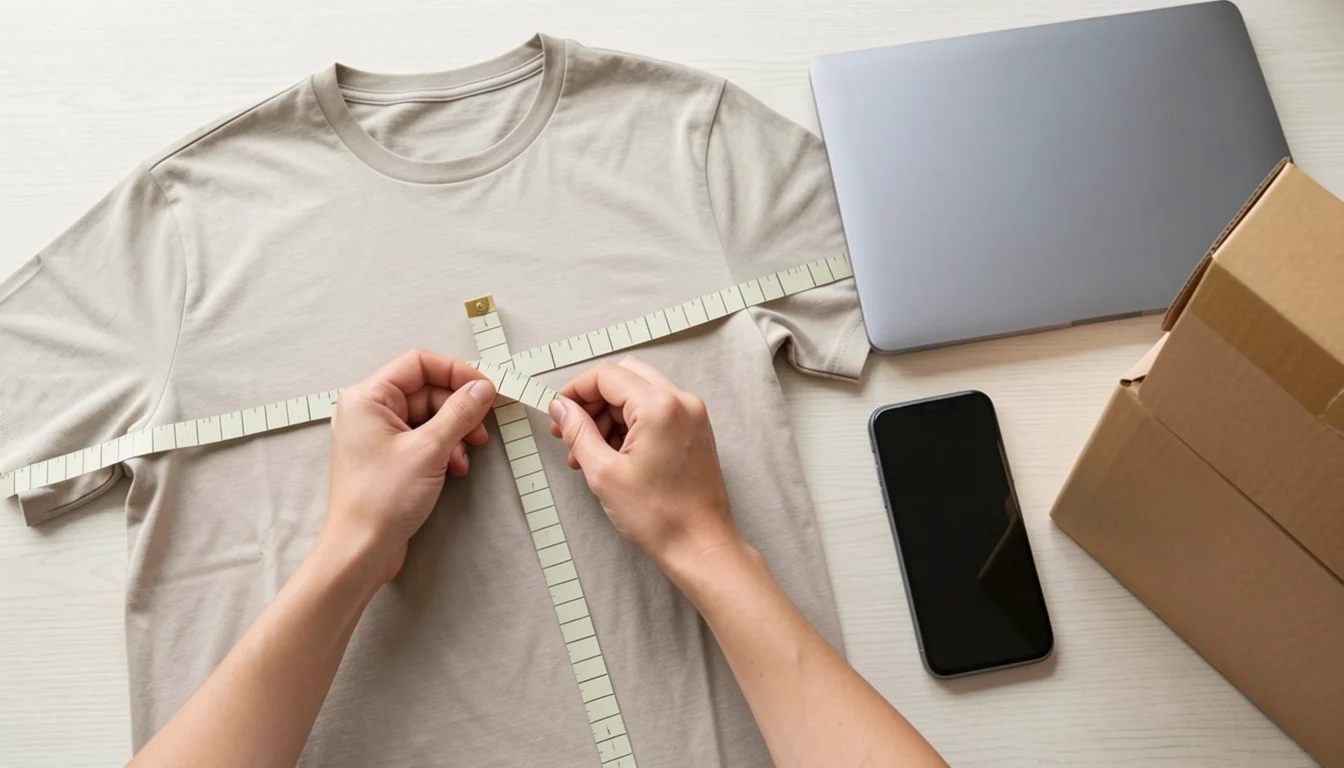
The most reliable approach is a short fit routine you can repeat: measure, compare, inspect, and confirm. It cannot eliminate variation in manufacturing or personal preference, but it replaces guesswork with evidence. Recheck the product page and policy each time you order because charts, cuts, inventory, and return conditions can change.
Key points
- Use the current retailer chart for the exact product; do not assume one brand’s size maps to another’s.
- Keep both body measurements and measurements from a well-fitting comparable garment.
- Read fabric composition, stretch notes, silhouette language, model details, and reviews as clues rather than guarantees.
- Confirm the return window, condition requirements, fees, refund method, and final-sale status before paying.
- When between sizes, prioritize the measurement that is hardest to alter and the fit the design is meant to have.
Why online clothing sizes vary
There is no universal retail size that makes a medium, a 10, or a 32 identical across every label and garment. Brands build charts around their own blocks, grading rules, target customers, and intended fits. A single retailer may also use different measurements for a fitted blazer, relaxed shirt, and stretch knit. Even two colors of one style can feel different if their fabric, wash, or production run differs.
That means the useful question is not “What size am I?” but “Which listed size best matches how I want this particular garment to fit?” Treat the product-specific chart as the current authority. If the page offers only a general brand chart, look for garment dimensions in the description or ask customer service which chart governs the item. Never let an old order confirmation overrule a newly posted chart.
Create a small personal fit profile
You need a flexible tape measure, a mirror or helper for measurements that are difficult to take level, and a note on your phone. Wear the undergarments or thin base layer you would normally use with the garment. Hold the tape close without pulling it tight, keep it parallel to the floor where appropriate, and record the date. Bodies change, and an old number can be less useful than a fresh one.
Common body measurements include chest or bust at the fullest point, natural waist, high hip, full hip, inseam, shoulder width, sleeve length, and height. You do not need every measurement for every purchase. A T-shirt may depend mainly on chest, shoulder, and length; trousers may require waist, hip, rise, thigh, and inseam. If a retailer shows a measurement diagram, follow its locations because its “waist” or “length” may be defined differently from yours.
Record preferences, not just numbers
Add notes such as “prefers room for a sweater,” “avoids sleeves shorter than wrist,” or “likes trousers to skim rather than grip the thigh.” Fit is partly dimensional and partly a preference about ease, coverage, movement, and proportion. These notes stop you from choosing the mathematically closest size when that size conflicts with how you actually wear clothes.
Measure a garment that already fits
Body measurements and garment measurements answer different questions. A body chart estimates which size was designed for your measurements. A garment measurement shows the finished item itself, including ease. For online shopping, a comparable garment can be an excellent reference because you already know how its dimensions feel in use.
Lay the reference garment flat without stretching it. For a shirt, record pit-to-pit width, shoulder seam to shoulder seam, sleeve length, and back length. For pants, record waistband width, front rise, hip width, thigh width, inseam, and leg opening. Double flat widths when the retailer reports a full circumference, but do not double a length. Note whether your reference fabric is rigid or stretchy and whether the item is fitted, straight, or oversized.
Choose a true counterpart. A rigid denim waistband is a poor reference for pull-on knit pants, and a cropped jacket should not set the length target for a longline blazer. If no comparable item exists, rely more heavily on the body chart, silhouette description, and a reversible return option.
Read the current chart and product page together
First identify whether the chart lists body measurements or finished garment measurements. A chart labeled “fits chest 38–40 inches” is not the same as a shirt with a 40-inch finished chest. The finished shirt needs some room beyond the body unless it is designed for compression or uses substantial stretch. Look for words such as slim, classic, relaxed, oversized, cropped, high rise, or dropped shoulder; they describe design intent, not a recommendation to change size automatically.
Check whether the chart switches units, whether measurements are inches or centimeters, and whether the retailer offers separate petite, tall, short, or extended ranges. If your measurements span two chart sizes, write down which areas fall into each rather than averaging them. The largest number is not always decisive; the garment type and alteration difficulty matter.
| Garment | Body measurements to check | Useful garment measurements | Fit clue to prioritize | Common mistake |
|---|---|---|---|---|
| Shirt or blouse | Chest or bust, shoulder, arm | Pit-to-pit, shoulder, sleeve, length | Room through chest and upper back | Using chest alone when shoulders are structured |
| Pants or jeans | Waist, hip, thigh, inseam | Waistband, rise, hip, thigh, inseam | Rise and fabric stretch | Comparing stretchy pants with rigid denim |
| Dress | Chest or bust, waist, hip, height | Chest, waist, hip, shoulder-to-hem | Where the shaped seams should sit | Ignoring torso and overall length |
| Blazer or coat | Chest or bust, shoulder, arm | Shoulder, chest, sleeve, back length | Layering room and shoulder position | Sizing down to remove intentional ease |
| Knitwear | Chest or bust, arm, height | Chest, sleeve, body length | Stretch, recovery, and planned base layer | Assuming every knit stretches equally |
Account for fabric, ease, and movement
Fiber content can hint at behavior, but it does not tell the whole story. Knit construction usually allows more movement than a comparable woven construction, while elastane may add stretch in one or more directions. Product copy may state a stretch level; photos may show whether fabric holds a crisp line or drapes close to the body. A cotton shirt with no stretch and a cotton jersey top can fit very differently at the same dimensions.
Ease is the difference between body size and finished garment size. Some ease supports ordinary movement; additional ease creates a relaxed or oversized silhouette. Negative ease is common in stretch garments designed to sit close. Do not subtract or add a universal number. Follow the specific retailer’s chart and intended-fit notes, and compare finished dimensions when available.
Think through the movements the garment must handle: sitting, reaching, bending, walking, and layering. For a coat, compare over the thickest layer you realistically expect to wear. For pants, consider rise and thigh room alongside waist. A waistband that closes while standing can still be uncomfortable when seated.
Use photos, model details, and reviews carefully
Product images can reveal where shoulder seams land, whether side seams pull, how hems fall, and whether fabric becomes sheer under light. Zoom in on closures, darts, waistbands, lining, and back views. Video, when available, is useful for seeing drape and movement. Remember that styling clips, pins, camera angles, and sample sizes may change the impression.
Model height and listed size are reference points only when paired with relevant measurements and a clear view. Two people of equal height can have different torso and leg proportions. Rather than asking whether you “look like” the model, compare a specific relationship: where the hem falls, how much sleeve stacks, or how a stated chest measurement relates to the worn size.
Reviews are most useful when the reviewer provides measurements, chosen size, fit preference, and a description of where the item felt tight or loose. Repeated comments about short sleeves or a narrow toe box deserve attention, but “runs small” without context is ambiguous. Filter for your use case when possible, and distinguish comments about quality, taste, delivery, and fit.
Check returns before you commit
A return policy is part of the fit decision, not checkout fine print. On the day you order, confirm the return window and when it starts; accepted return methods; shipping or restocking fees; original-shipping treatment; refund method; processing expectations; and whether discounted items are final sale. Save the relevant policy page or order terms because retailers can revise general policies.
Also note condition requirements. Many sellers require unworn merchandise with original packaging or attached retail materials. Try clothing on indoors, away from makeup, fragrance, pets, food, and rough surfaces. Keep packaging until you decide. These precautions protect your option to return; the retailer’s current written rules still control.
A generous-looking window can be less useful if return shipping is expensive or refunds are store credit only. When fit is genuinely uncertain, include that friction in the buying decision. If returning the item would be difficult, delaying the purchase is often more practical than hoping the size works.
What to do when you are between sizes
Start with the area that controls the garment. Shoulders often control a structured jacket; hips and rise can control rigid pants; chest or bust placement can control a fitted dress. Next consider what can reasonably be altered. Hem length is usually simpler to change than shoulder width, but services, garment construction, and costs vary. Ask a local alteration professional before buying an expensive piece on the assumption it can be changed.
Then protect the intended silhouette. If an item is deliberately oversized, sizing down may alter shoulder placement, sleeve shape, and drape rather than create a neat smaller version. If a retailer gives an explicit between-size recommendation, use it with your measurements and preference notes. When neither option satisfies a must-have measurement, the best size may be neither; choose another cut.
A repeatable online fit process
- Identify the exact garment’s chart, measurement diagram, and intended-fit description.
- Take the body measurements relevant to that garment and update stale records.
- Measure a comparable item you like, using the retailer’s measurement method where possible.
- Compare each critical area and mark any conflict rather than relying on one size label.
- Review composition, stretch, lining, closures, model details, photos, and specific fit reviews.
- Read the current shipping, return, exchange, and final-sale terms before checkout.
- After delivery, try the item with its intended shoes and layers, then sit, reach, and walk.
- Record the item, size, key dimensions, and result for later purchases from that retailer.
This record turns each order into useful evidence. Include the date because styles and charts can change. If the garment stays, read its instructions and use the guide to understand the care label before the first wash.
Common online fit mistakes
- Reordering the same size automatically: revisit the item-specific chart, especially for a new cut or fabric.
- Confusing body and garment measurements: look for the chart label and ask the retailer when it is unclear.
- Forcing one reference garment onto every category: compare like with like in construction, stretch, and silhouette.
- Buying for an imagined routine: evaluate the shoes, layers, care, and dress code you actually use. A plan to build a versatile wardrobe without overspending works better when every new piece has realistic outfits waiting.
- Ordering multiple sizes without checking return costs: calculate the cash tied up and fees first.
Frequently asked questions
Should I size up when shopping online?
Not by default. Compare the current chart, garment measurements, stretch, intended fit, and your preferences. Sizing up can help one area while making shoulders, rises, or proportions wrong elsewhere.
Are customer reviews more reliable than the size chart?
They answer different questions. The retailer’s current chart provides the official measurement reference; detailed reviews can reveal patterns in how the delivered item feels. Use both, and favor reviews with measurements and specific fit observations.
How often should I retake body measurements?
Retake them when fit has changed, before a high-stakes order, or when your saved measurements are old. Also check the retailer’s measurement method every time, even if your own numbers are recent.
Can tailoring fix the wrong size?
Sometimes, but not every alteration is practical or economical. Hem and waist changes may be possible in some garments, while shoulders, armholes, rises, and complex construction can be difficult. Ask a qualified local professional about the actual item.
Final takeaway
The best online fit decision uses several modest clues together: fresh body measurements, a comparable garment, the exact current chart, fabric and silhouette information, detailed reviews, and workable return terms. Keep a dated fit record, but never mistake it for a universal size. If the critical measurements or policy remain unclear, pause and ask the retailer—or skip the order.

Logan Delaney is the staff byline for Cactos New Hub guides on personal finance, smart shopping, personal style, and everyday decisions. Articles under this byline are reviewed for clarity, usefulness, and internal consistency before publication.