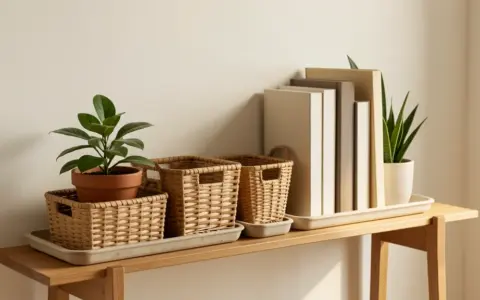


A simple home cleaning schedule should respond to how your household uses each space, not impose the same frequency on every home. Define the conditions that matter—such as a usable sink, clear walkways, and food-prep surfaces ready for use—then attach short tasks to dependable cues in your week. Clean sooner when use, spills, illness, pets, weather, or accessibility needs change the situation.
By Logan Delaney · Updated July 17, 2026 · 10 min read
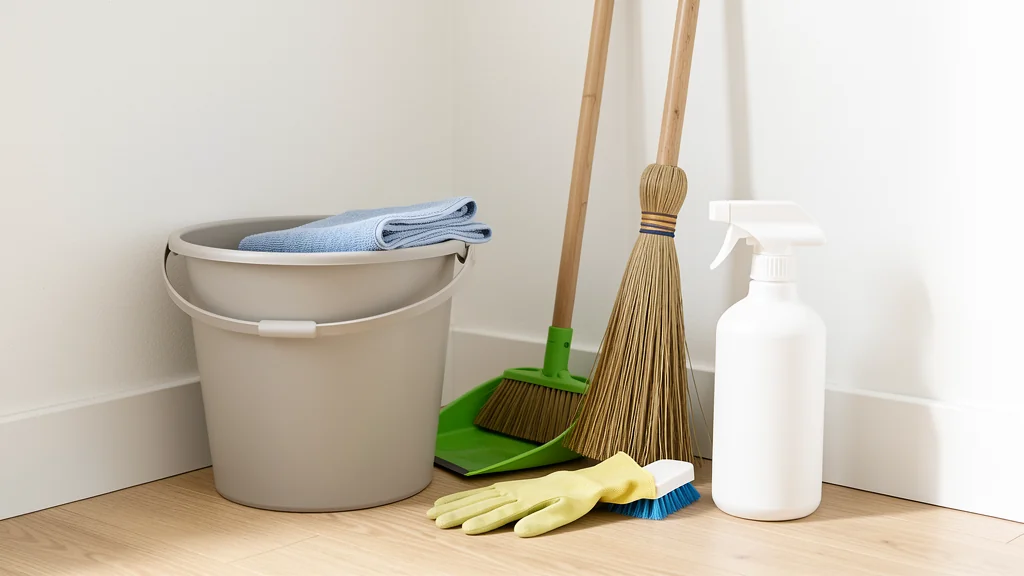
Separate routine cleaning from occasional deeper work and from disinfecting. The CDC’s current home cleaning and disinfecting guidance says regular cleaning is enough in most situations and describes when sanitizing or disinfecting may be appropriate. Use any product only as its label directs and follow the surface or item manufacturer’s instructions.
Key points
- Set a functional baseline for high-use spaces before assigning frequencies.
- Let visible conditions and household use trigger work sooner or later.
- Keep daily actions tiny and rotate a limited number of weekly tasks.
- Follow product labels, ventilation directions, contact times, and material guidance.
- Use a catch-up mode that restores essentials instead of doubling the workload.
Define clean enough for your household
“Clean the bathroom” is too vague to schedule or share. Replace it with visible outcomes: the sink is usable, the toilet has been cleaned using an appropriate method, used towels are in the laundry system, and the floor is clear enough for the intended users. Your baseline can be practical without requiring every surface to shine.
Choose three to five household-wide standards that protect daily function. Examples include keeping walkways clear, addressing spills promptly using methods appropriate to the material, keeping the main food-prep area available, and preventing trash from exceeding its container. Add room-specific standards only where they solve a real problem.
People have different capacities and priorities. A household managing pain, disability, caregiving, shift work, young children, or limited laundry access may define and divide tasks differently. The schedule is a support tool, not a measure of character.
Use conditions before calendar rules
A calendar can remind you to look, but the room’s condition determines the work. A lightly used guest room may need little attention, while an entry floor during wet weather may need an extra pass. A spill should be addressed when it happens rather than waiting for “floor day,” using the care guidance for that surface.
Use three states: clean now, monitor, and periodic. “Clean now” covers visible soil, spills, full containers, or conditions that block normal use. “Monitor” means the space is functioning and can be checked at the next cue. “Periodic” covers work that matters less often and can be scheduled based on use, product instructions, household preferences, or seasonal conditions.
| Observed condition | Response | Scheduling cue | Adjustment |
|---|---|---|---|
| Spill, visible soil, or blocked work surface | Clean now with a suitable method | When noticed | Follow material and product instructions |
| High-use area is still functional | Monitor and do a short reset | After use or at day’s end | Increase or reduce effort based on actual use |
| Low-use space has light dust or debris | Add to a rotation | Next suitable weekly or periodic window | Do not copy the frequency of a busy room |
| Someone is ill or at higher risk | Review current CDC guidance and household needs | As the situation changes | Clean first; disinfect when appropriate and directed |
| Special material or appliance needs care | Use the manufacturer’s method | Condition or manual-based reminder | Avoid generic chemicals or tools that may cause damage |
Build the schedule in three layers
Layering prevents one crowded weekly list. Begin with tiny actions that preserve the baseline, add a short weekly rotation, and keep periodic tasks separate. The exact contents and timing should change with the home.
Layer one: small baseline actions
Choose actions that take only a few minutes and attach them to events that already happen. After the evening meal, restore the food-prep area. When the last person leaves the bathroom in the morning, place used towels where they can dry or enter the laundry system. Before taking out trash, check the nearby floor for loose debris.
Do not create a long “daily” list. Two or three high-impact actions are easier to maintain than a whole-house sweep. If an action repeatedly goes undone, make it smaller, move supplies to an appropriate nearby location, or assign clear ownership.
Layer two: a limited weekly rotation
Select a few areas that usually benefit from attention within a normal week, then distribute them across your available windows. One household might handle the bathroom and towels on Tuesday, floors in high-traffic areas on Thursday, and kitchen fronts plus trash containers on Saturday. Another might complete the same work in one shared session. Neither pattern is universal.
Keep each block short enough to close. “Clean high-traffic floors” is easier to finish than “all floors.” Alternate lower-use rooms instead of including every space every week. Leave room for the task that actual conditions make most important.
Layer three: periodic and condition-based work
Keep less-frequent work on a separate list so it does not clutter the weekly view. Examples may include cleaning an appliance as its manual directs, washing suitable window coverings, or checking a hard-to-reach area when conditions warrant. Choose reminders from observed buildup, manufacturer guidance, season, household use, and your own tolerance—not an arbitrary internet calendar.
Understand cleaning, sanitizing, and disinfecting
Routine cleaning removes dirt and reduces germs on surfaces. According to the CDC guidance linked above, sanitizing reduces remaining germs after cleaning, while disinfecting uses products that kill remaining germs on surfaces. These are different tasks, and more chemical use is not automatically better.
Clean surfaces before sanitizing or disinfecting when the directions call for it. If disinfecting is appropriate, choose a product intended for the surface and purpose. Read the entire label before use. The EPA explains that pesticide product labels tell users how to use and store a product safely and effectively, and directs users to follow the labeling for household disinfectants regulated as pesticides.
Use products cautiously
- Follow the label’s directions for the surface, dilution if any, contact time, protective equipment, ventilation, storage, and disposal.
- Never mix cleaning or disinfecting products or chemicals with each other.
- Keep products in their original containers unless the label specifically directs otherwise; preserve identification and instructions.
- Use good ventilation when the label or current guidance calls for it, such as opening windows or doors or using a fan when appropriate.
- Keep products away from children, pets, food, and vulnerable household members as directed on the label.
- Do not assume a method suitable for one surface, fabric, appliance, or electronic device is suitable for another.
The CDC page provides current details on safe cleaning and disinfecting, including ventilation, contact time, and not mixing products. If label directions are missing or unclear, do not guess. Use the manufacturer’s official instructions or choose a product with instructions you can follow.
Create a schedule from one normal week
For one week, note when spaces stop meeting your baseline. Record conditions, not shame: “crumbs under dining chairs after family dinner,” “bathroom sink crowded by Thursday,” or “entry floor wet after rainy commute.” At the end of the week, identify the three recurring points that created the most work or blocked use.
- Assign immediate triggers. Spills, food debris, and blocked walkways are handled when noticed with an appropriate method.
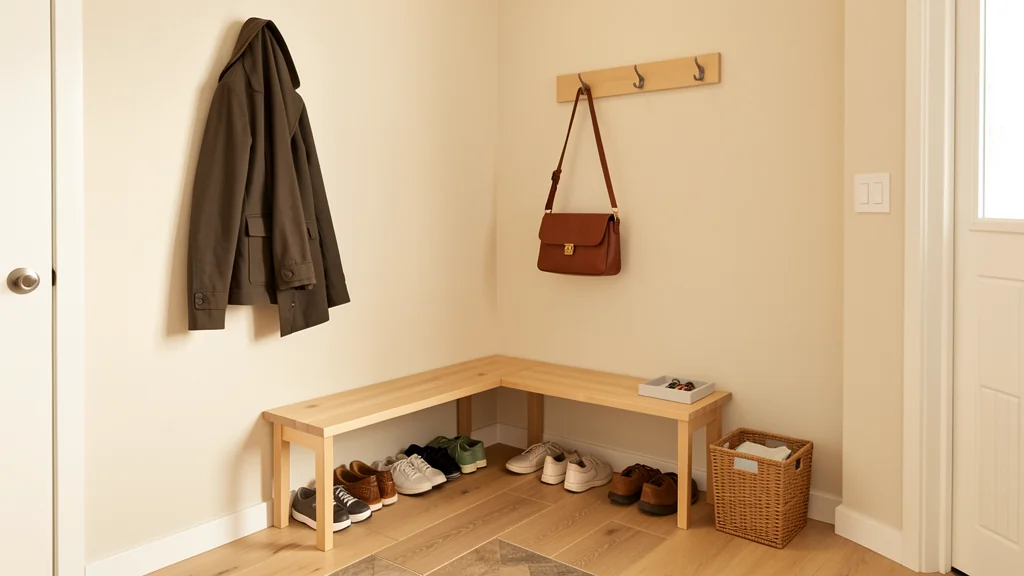
- Attach tiny resets to existing events. Pair the kitchen baseline with dinner cleanup or the entry check with putting away shoes.
- Choose two or three rotation blocks. Match them to realistic energy and time, not idealized free hours.
- Give periodic tasks a separate home. Add only the next relevant item to the calendar.
- Name an owner. Each result belongs to a person or agreed team for that cycle.
- Review after two weeks. Remove tasks that are unnecessary and revise blocks that repeatedly overflow.
A flexible example for a busy household
Consider a household of three adults with different work hours and a dog. Their baseline is a usable kitchen sink and counter, clear entry path, bathroom fixtures functional and visibly clean, trash contained, and high-traffic floors managed as conditions require.
After meals, the person responsible for that meal restores one prep area and handles dishes according to the household system. The last person home checks the entry path and manages wet shoes. On Wednesday, one adult takes a short bathroom block while another launders suitable towels according to their care instructions. On the weekend, they check high-traffic floors and select one periodic task only if capacity remains.
During a muddy week, entry and floor care happen more often, while a low-use bedroom drops out of the rotation. During an exhausting week, the household switches to catch-up mode: kitchen baseline, bathroom essentials, contained trash, clear paths, and required laundry. Nothing is doubled the following week.
Share ownership instead of delegating from one person
A schedule does not reduce mental load if one person must inspect every room, remember every interval, and ask others to act. Assign complete results. “Own the bathroom baseline through Thursday” includes noticing its condition, choosing the appropriate task, and returning products safely. The owner can ask for help without transferring all planning back to someone else.
Balance effort according to capacity, not identical task counts. Someone who cannot kneel may handle mirrors, planning, laundry sorting, or a seated task while another handles a compatible floor task. Use lightweight tools or professional help if available and appropriate, but do not assume everyone can buy equipment or services.
If the cost of supplies varies across the month, use a flexible spending plan rather than overstocking during a tight week. The principles in budgeting with irregular income can help distinguish baseline supplies from optional purchases. Buy only products you can identify, store safely, and use as directed.
Keep laundry from taking over the schedule
Laundry has several stages—collecting, sorting when needed, washing, drying, folding or hanging, and putting away. Schedule the whole loop, not only the washer start. Follow garment, textile, and appliance instructions. For a deeper framework, see the guide to reading clothing care labels.
Set the load size and timing around household needs, machine access, material instructions, and energy. A shared laundry room, laundromat, or drying limitation may require fewer, more deliberate cycles. There is no universal laundry day or load frequency.
Use a catch-up mode for disrupted weeks
Catch-up mode protects essential function when illness, travel, deadlines, pain, caregiving, or other demands reduce capacity. Choose no more than the conditions that affect immediate use: clear required paths, manage food-contact and bathroom basics, contain trash, and prepare necessary clothing or linens. Adapt the list to your home.
Do not add every missed periodic task to the next block. Recheck whether each is still necessary, select the next useful action, and resume the rotation. A resilient schedule expects interruption.
Common mistakes
- Copying a universal frequency chart. It cannot know your room use, climate, occupants, materials, or capacity.
- Treating disinfecting as routine cleaning. Use current guidance and product labels to decide when it is appropriate.
- Writing tasks that are too broad. Define a visible finish such as “main prep counter available.”
- Scheduling only task starts. Laundry and movable-item cleaning create unfinished stages unless the close is planned.
- Keeping too many products. More options increase storage and label-reading demands; choose suitable products you can use correctly.
- Making one person the reminder system. Clear ownership should include noticing and closing the task.
Frequently asked questions
What cleaning tasks should be done every day?
There is no universal daily list. Address spills and conditions that block safe, normal use when they occur. Then choose a few baseline actions for the spaces your household uses most, such as restoring a food-prep surface after meals.
How many days a week should I clean?
Use as many or as few sessions as fit your home and capacity. Several five-minute resets may work better than one long block, or the reverse. Judge the pattern by whether essential spaces remain functional and the work closes without a recurring backlog.
Do I need to disinfect my home regularly?
The CDC says regular cleaning is enough in most situations. Disinfecting may be considered when someone is sick or at higher risk, depending on current guidance and household circumstances. Clean first as directed, use an appropriate product, and follow its label exactly.
How can I clean when I am overwhelmed?
Use catch-up mode. Pick one required path, one food-prep area, one bathroom essential, and contained trash as relevant. Work in a short block, use methods within your capacity, and stop after putting supplies away safely.
Final takeaway
A useful home cleaning schedule is a set of responsive cues, not a rigid calendar. Define your baseline, observe how spaces are used, schedule a few closeable blocks, and keep periodic work separate. Follow current guidance, product labels, and manufacturer instructions; then revise the schedule whenever the household or home changes.

Logan Delaney is the staff byline for Cactos New Hub guides on personal finance, smart shopping, personal style, and everyday decisions. Articles under this byline are reviewed for clarity, usefulness, and internal consistency before publication.