

A weekly home reset routine is a short, repeatable session that returns the most-used parts of your home to a workable baseline. The best version is not a complete deep clean. It targets the few conditions that make the coming week harder, such as an empty fridge, clothing on the bedroom floor, a crowded entryway, or papers covering the table.
By Logan Delaney · Updated July 17, 2026 · 8 min read

Build your routine from your household’s actual friction points, then choose a scope that fits the time and energy available that week. A 20-minute reset can be successful if it restores tomorrow’s essentials. A longer session is an option, not the standard you must meet.
Key points
- Define a workable baseline rather than trying to make every room look finished.
- Prioritize tasks that prevent Monday-morning problems or block daily activities.
- Use a fixed starting cue and a flexible task list.
- Give each person clear ownership instead of asking everyone to “help.”
- Keep a reduced version for busy, painful, or low-energy weeks.
Start with a household friction audit
Before choosing a day or making a checklist, notice what repeatedly goes wrong between one week and the next. For seven days, write down small moments of friction: no clean lunch containers, nowhere to place incoming mail, a hamper that overflows, missing school items, or a bathroom counter that cannot be used. Focus on observable conditions, not judgments about who is tidy.
Circle three problems that either affect several people or create extra work later. Those become your reset priorities. If clothing overflow is a recurring issue rather than a one-week exception, a separate wardrobe audit can reduce the volume your reset has to manage. Do not turn the weekly session into that larger project.
Define the baseline for each priority
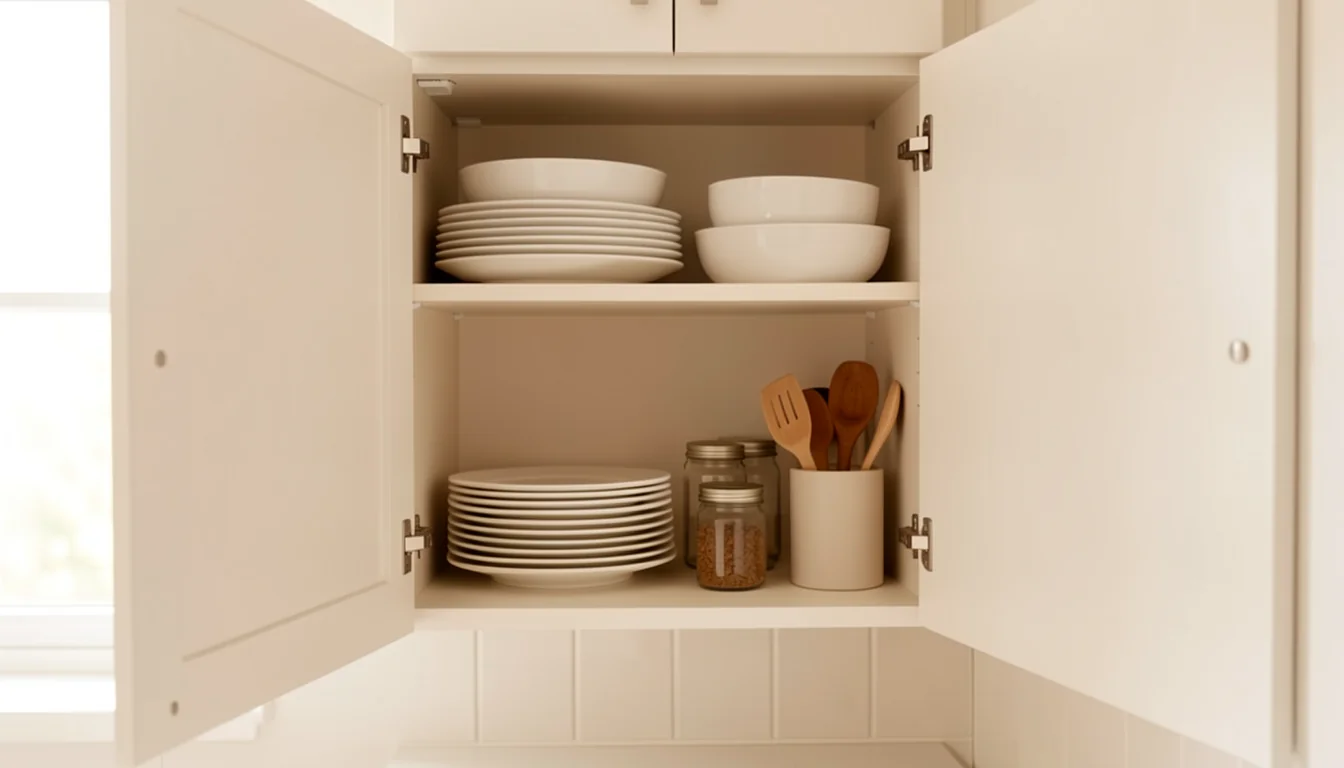
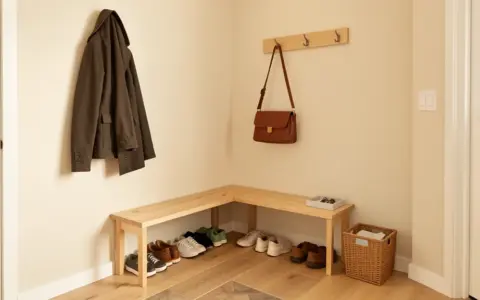
A baseline is the minimum condition that lets the next few days run smoothly. “Kitchen ready” might mean the sink is usable, one counter is clear, and breakfast supplies are easy to reach. It does not have to mean polished appliances and perfectly aligned cabinets. “Entryway ready” could mean the walkway is clear and tomorrow’s bags have a landing place.
Write each baseline as a visible result. Results are easier to share than vague instructions. “Put loose shoes in the rack and keep the path clear” gives a household member a finish line. “Deal with the entryway” leaves room for mismatched expectations.
Choose the smallest useful reset
Use available capacity to set the scope after identifying priorities. The same household can use different versions from week to week. The table below is a menu, not a universal schedule.
| Available window | Best use | Possible scope | What to postpone |
|---|---|---|---|
| About 20 minutes | Prevent immediate friction | Clear the sink, gather trash, set out essentials, start one necessary load | Detailed organizing and low-impact rooms |
| About 45 minutes | Restore key shared spaces | Complete the essentials, reset entry and bathroom surfaces, review food and calendar needs | Deep cleaning and storage projects |
| About 90 minutes | Catch up after a demanding week | Work through key rooms, finish laundry stages, prepare a few supplies, handle a small backlog | Renovation-scale or whole-category decluttering |
Time estimates vary with the size of the home, number of people, accessibility needs, and the amount of unfinished work. If a task consistently exceeds the window, reduce its definition or move it to a separate project. Repeatedly squeezing a large job into the reset makes the routine feel unreliable.
Build a sequence that follows real movement
A practical sequence reduces backtracking. Begin with a quick collection pass through the rooms included in that week’s scope. Carry one basket for items that belong elsewhere and one bag for obvious trash. Do not stop to reorganize drawers. Return the basket contents near the end so the collection pass keeps moving.
- Remove blockers. Clear walkways, usable seats, the sink, and the main preparation surface.
- Start passive tasks. Begin a needed laundry or dishwasher cycle if appropriate, following appliance and item-care instructions.
- Restore shared landing zones. Return keys, bags, mail, chargers, shoes, and daily-use items to their homes.
- Check the next few days. Review household commitments, food basics, medications or pet supplies that household members already manage, and weather-dependent gear.
- Close open loops. Move collected items to their rooms, empty the reset basket, and put tools away.
Place tasks in the order your home supports. Someone with limited mobility might reset one zone while seated rather than make a collection circuit. A family with young children might do the floor and walkway pass first. Pet households may prioritize food stations or fur in the areas they actually use. The routine should adapt to people, not force people to adapt to it.
Create a portable reset kit
Keep only the tools used in most resets together: perhaps a reusable cloth, a small trash roll, and a basket for misplaced objects. Cleaning products should stay in their safe storage locations and be used according to their labels, surface guidance, and household needs. A portable kit is meant to reduce searching, not to encourage storing chemicals where children or pets can reach them.
Also choose a home for the kit itself. It should be easy for the intended users to reach without blocking a walkway or becoming another drop zone. After each reset, remove collected objects, dispose of waste appropriately, send reusable cloths into the household’s laundry flow, and return every tool. This two-minute close reveals missing supplies before the next session and keeps a half-finished basket from circulating through the home all week.
Assign ownership in a shared home
Split responsibilities by complete outcomes, not tiny fragments. One person can own “kitchen baseline,” including checking that the sink and food-prep counter are usable. Another can own “departure zone,” including bags and shoes. Ownership includes noticing and finishing the agreed baseline, while the exact method can remain flexible.
Account for age, time, disability, and preferences without assuming equal tasks must look identical. One person may do a physically demanding floor pass while another handles the calendar, supply check, or seated sorting. Rotate unpopular tasks when rotation is workable. If not, balance effort in another way that the household agrees is fair.
For supplies that are predictable but irregular, such as replacing a vacuum filter or buying a larger pack of household basics, a small sinking fund for planned expenses can separate those purchases from the weekly routine. The reset should identify a future need, not trigger an automatic shopping trip.
A realistic example: the flexible Sunday reset
Consider two adults in a small apartment who usually reset on Sunday afternoon. Their friction audit identified three priorities: a usable kitchen, clean work clothes, and a clear table for weekday meals. They begin when one person starts the first necessary laundry load. That event is the cue; the exact clock time can change.
On a normal week, one person clears the sink and table while the other gathers work clothes and checks weekday commitments. They then return misplaced items and put away dry dishes. If both have energy, they add a bathroom surface reset and review groceries already on hand. If the week has been difficult, they use a 20-minute version: clear the sink and table, confirm one set of clothes each, take out food waste, and stop.
This works because the short version still protects Monday’s essentials. The couple does not call it failure when dusting or linen changes move to another day. Their baseline remains stable even when their available capacity changes.
Common mistakes that make a reset hard to repeat
- Starting with a social-media checklist. A generic list may include tasks your home does not need while missing your main bottleneck.
- Combining maintenance with major decluttering. Deciding the fate of an entire closet can consume the session and leave daily surfaces unfinished.
- Using “until it is done” as the time limit. An open-ended reset is difficult to start. Choose a stopping time and protect it.
- Buying containers before defining the problem. Try a no-cost location or repurposed box first. A product cannot fix unclear ownership or excess steps.
- Making one person the household manager. Asking one person to notice, delegate, and inspect every task preserves the mental load even if others perform chores.
- Skipping the closing step. A basket of relocated items becomes fresh clutter if it is never emptied.
Use a recovery plan instead of restarting from zero
Missed weeks are normal. Do not double the next session to compensate. At the next opportunity, choose the two conditions that most affect daily function, complete a reduced reset, and resume your usual cue. Backlogged projects can be scheduled separately if they still matter.
Keep a three-line recovery card: make one food-prep area usable, prepare tomorrow’s essential clothing or bags, and remove anything blocking a walkway or required seat. Customize those lines for your household. This provides a safe landing when illness, travel, deadlines, caregiving, or pain changes the week.
Frequently asked questions
What day is best for a weekly home reset?
The best day is one that usually occurs before your household’s highest-friction period and still leaves some recovery time. That might be Friday evening, Sunday afternoon, or a split session across two days. Test a cue for several weeks and change it if it repeatedly conflicts with real life.
Should every room be included?
No. Include the spaces and systems that affect the coming week. A lightly used room may need only an occasional check, while the kitchen or entryway may need attention every session because your household uses it heavily.
How do I make the routine feel less overwhelming?
Reduce the number of decisions. Keep a short baseline list, store ordinary tools consistently, use the same starting cue, and choose the session length before beginning. Stop when the agreed baseline or time limit is reached.
Can I divide the reset across the week?
Yes. A reset is a system, not a single event. You might handle laundry on Friday, food planning on Saturday, and shared surfaces on Sunday. Keep one brief check that confirms the essential pieces are ready.
Final takeaway
A weekly home reset routine sticks when it protects the next week without demanding a perfect home. Audit recurring friction, define a visible baseline, choose a scope that matches current capacity, and give each task a clear owner. Preserve the reduced version as part of the plan; it is what makes the routine resilient rather than all-or-nothing.

Logan Delaney is the staff byline for Cactos New Hub guides on personal finance, smart shopping, personal style, and everyday decisions. Articles under this byline are reviewed for clarity, usefulness, and internal consistency before publication.