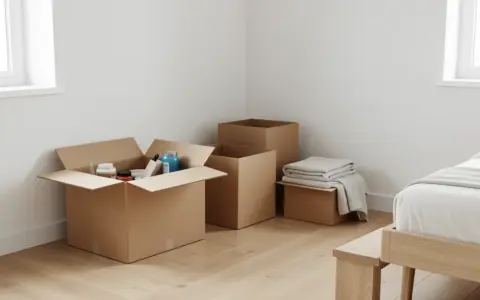


To make a rental feel like home, start with portable elements that change how the space looks, feels, and functions: lamps, textiles, furniture placement, freestanding storage, plants, and meaningful objects. Work from the room you use most, solve its biggest daily frustration first, and repeat a limited set of colors or materials so the home feels connected rather than temporarily furnished.
By Logan Delaney · Updated July 17, 2026 · 9 min read
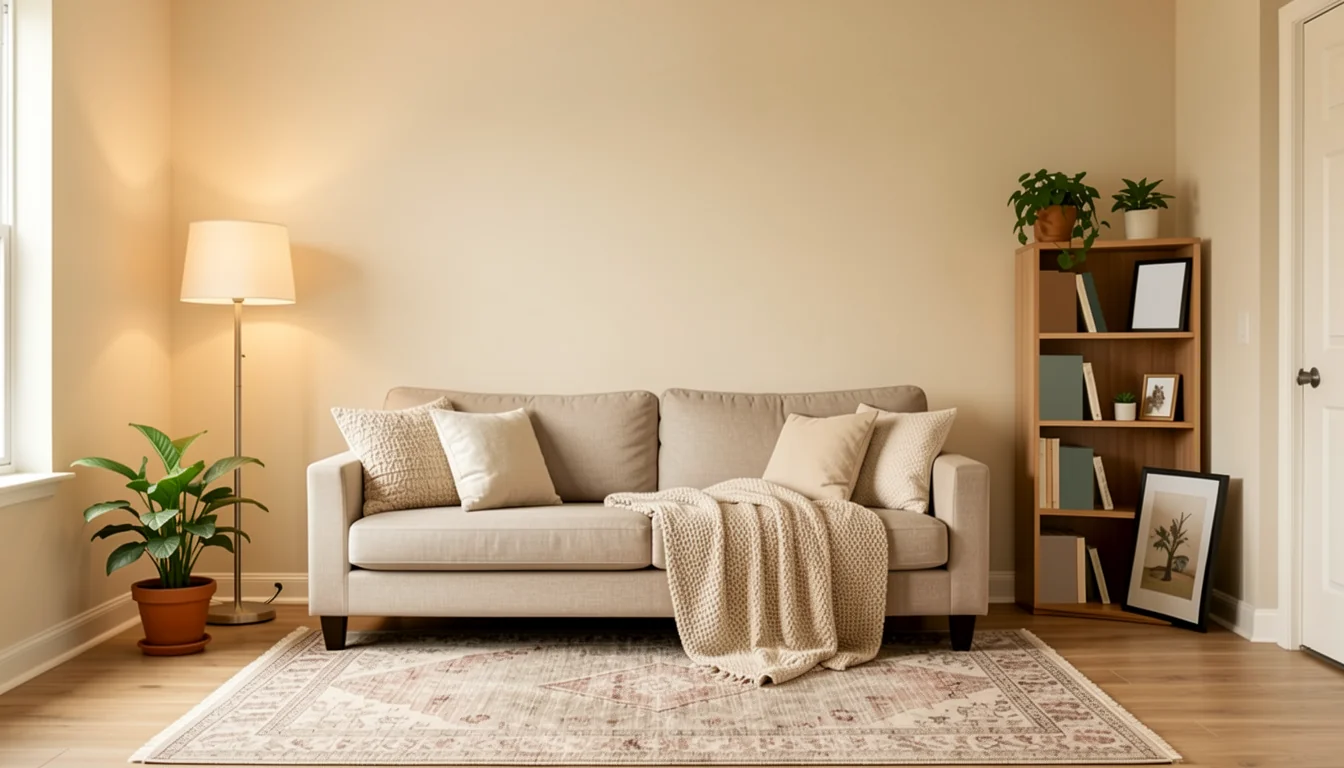
Before attaching, painting, replacing, or applying anything, check your current lease and building rules. Get written permission when a change requires it, clarify removal and restoration expectations, and keep the response with your housing records. A product marketed as removable is not automatically allowed or harmless on every surface, so test cautiously and follow its instructions.
Key points
- Personalize in reversible layers, beginning with light, fabric, layout, and objects you can take with you.
- Use the lease, current building rules, and written permission as the filter for any attached or altered feature.
- Spend first on changes that fix a real inconvenience and will work in a future home.
- Photograph the original condition and plan removal before installing anything.
Run every idea through a permission and portability filter
A rental-friendly plan has two separate questions: may you do it, and is it worth doing? The first answer comes from the current lease, building rules, and the property contact who can provide written permission. The second depends on cost, effort, surface risk, portability, and how much the change improves your everyday life.
Do not rely only on a previous tenant’s setup, a verbal conversation, or a generic online list of “renter-safe” projects. Rules vary, surfaces age, and building policies can change. If permission is unclear, choose a freestanding alternative: a floor lamp instead of a new ceiling fixture, a leaning mirror instead of a mounted one, or a bookcase used as a display surface instead of installed shelving. Place heavy or unstable items responsibly and follow manufacturer instructions.
Document the room before a permitted project. Take clear photos of walls, floors, fixtures, and existing wear. Save paint details or original hardware if you are authorized to make a change, label the parts for yourself, and store them together. None of this replaces the lease or an agreed move-out process; it simply makes restoration easier to plan.
| Change | Likely impact | Portability | Permission and surface check | Removal effort |
|---|---|---|---|---|
| Floor and table lamps | Changes mood and task light | High | Confirm outlet and product requirements | Low |
| Rug and curtains | Adds color, softness, and visual scale | High | Check curtain attachment rules and floor compatibility | Low to moderate |
| Freestanding storage | Reduces daily friction and exposes favorite objects | High | Check stability, dimensions, and any anchoring requirements | Low |
| Adhesive decor | Adds pattern or display space | Moderate | Verify lease, written permission if needed, product directions, and surface condition | Moderate and surface-dependent |
| Paint or fixture swap | Can transform a room | Low | Obtain clear written permission and restoration terms first | High |
Build the room in portable layers
Start with lighting, not decoration
One ceiling light can make a room feel flat even when the furniture is good. Add light at different heights: a floor lamp near seating, a small lamp beside a reading spot, or a plug-in task light on a desk. Choose bulbs and fixtures according to the fixture instructions and your preferred brightness and color. Cords should stay out of walking paths, and outlets or extension products should be used only as directed.
Lighting is a strong first purchase because it changes both function and atmosphere, and most lamps move easily. Before buying, map where you actually read, cook, work, or relax. A lamp in the right place is more useful than several decorative lights scattered around the room.
Use textiles to set color and scale
Rugs, curtains, bedding, throws, and cushion covers add a large area of color without changing the building. Pick one anchor textile, then borrow two or three colors from it for smaller items. Repetition makes separate purchases look intentional. If you are unsure what you like, the same observation exercises used to find your personal style without replacing a wardrobe can help: save examples, name what repeats, and distinguish admiration from what suits your real routine.
Measure before ordering. Mark a rug’s proposed edges on the floor with objects that will not damage the finish, and check doors, vents, furniture legs, and cleaning access. For curtains, follow the approved attachment method and measure the actual window rather than guessing from a listing photo. Consider washable or easy-care fabrics if children, pets, cooking, or frequent moves make delicate materials impractical.
Let the layout express how you live
Furniture does not have to hug every wall. Try orienting seating toward the activity you value: conversation, a window, reading, music, or a shared table. Preserve comfortable routes between doors and frequently used areas, and avoid creating tight turns for anyone who uses a mobility aid. Use painter-free methods such as a paper sketch or furniture dimensions taped on a piece of scrap paper before lifting anything. Ask for help with heavy pieces rather than treating rearranging as a solo requirement.
A small home often benefits from furniture with a clear second job, but every piece does not need to transform. A sturdy stool might serve as a side table and extra seat; an ottoman might hold blankets; a compact desk can double as a console. Favor functions you genuinely need, not clever features that add setup work.
Make storage part of the display
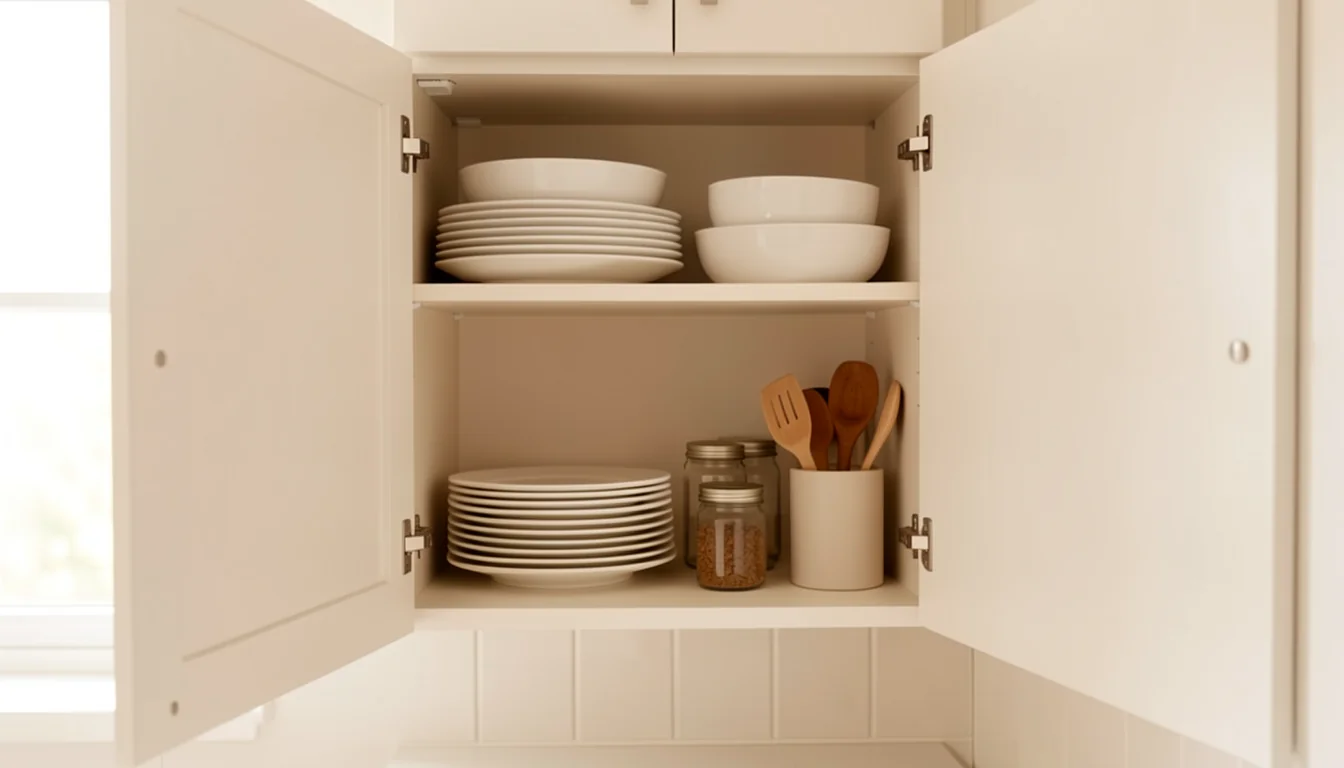
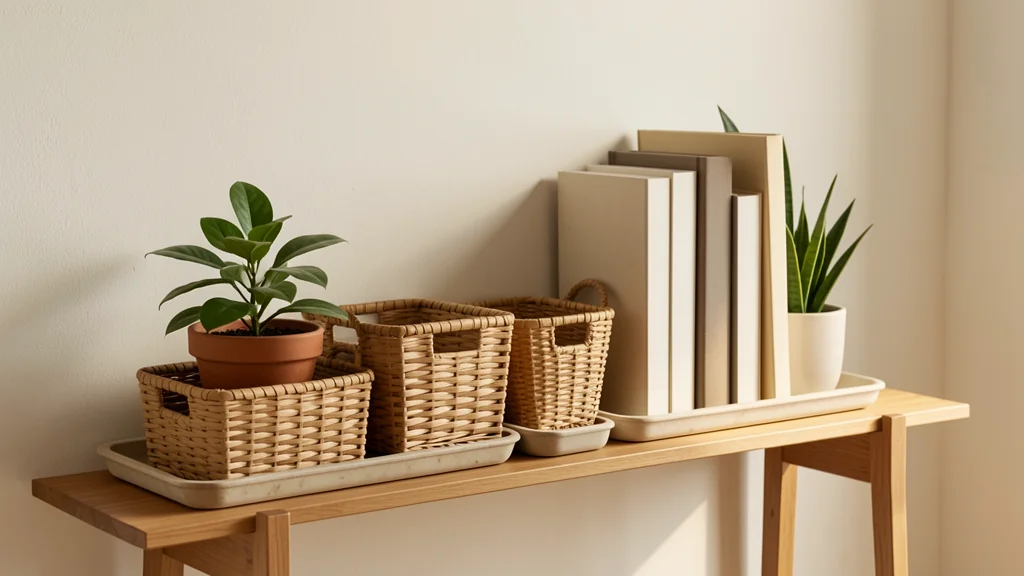
Storage feels personal when it supports your habits instead of hiding evidence of daily life. Put closed storage around visually busy necessities and open storage around a few objects you enjoy seeing. A tray can gather keys and chargers; matching or coordinated bins can make mixed supplies read as a group; a freestanding garment rack can hold a working rotation when closet space is limited.
Begin with what you already own. A wardrobe audit, for example, can reveal whether the problem is too little clothing storage, poor access, or items that belong elsewhere. You do not have to discard useful belongings to earn a calm room. Better boundaries and placement may be enough.
Display identity without filling every surface
Choose a few high-meaning items—family photos, art, books, handmade objects, travel keepsakes, or collections—and give each a deliberate location. Grouping several small objects on one tray or shelf creates a stronger focal point than distributing them across every available surface. Rotate items if you have more favorites than display room; storage is not a verdict on their importance.
For walls, use only methods allowed by your lease and building rules, with written permission where required. If attachment is not approved, place framed work on a mantel, deep shelf, console, or stable picture ledge that is already part of your furniture. Avoid precarious leaning arrangements in homes with children, pets, or busy circulation.
A room-first personalization workflow
- Choose one room. Start where more comfort or function would affect your day most, not necessarily the room guests see first.
- Name three friction points. Examples include harsh evening light, nowhere to set a drink, exposed work supplies, or a seating layout that blocks conversation.
- Record constraints. Note the lease and building rules, dimensions, outlets, surfaces, household access needs, pets, children, and a firm spending limit.
- Rearrange before buying. Move smaller items, test furniture orientation, and borrow a lamp or textile from another room for a few days.
- Add one portable layer. Choose the lowest-permission, highest-use option that addresses the main friction point.
- Live with it. Notice what improves and what becomes harder to clean, reach, or move around. Adjust before adding the next layer.
- Save the exit plan. Keep receipts, instructions, permissions, original parts, and removal notes together.
If furnishing costs compete with other priorities, treat popular frameworks as optional lenses rather than commands. The 50/30/20 budget framework can help you label a decor purchase and see its tradeoffs, but your actual obligations and income pattern matter more than a fixed percentage. A short wish list with measurements can prevent “temporary” purchases that do not fit now or later.
Example: warming up a plain living room
Imagine a renter with a beige living room, one overhead light, a compact sofa, a work laptop on the dining table, and art still packed after a move. The lease does not permit painting, and the renter has not received permission for wall attachments. The biggest issues are evening glare, work visually spilling into relaxation time, and no visible connection to the renter’s taste.
The renter first turns the sofa toward the window while preserving the route to the kitchen. A lamp already owned moves beside the sofa. A lidded basket under the console receives the laptop and charger after work. Two framed prints sit on the console with a plant and a small ceramic object, creating one display rather than five scattered accents. Later, the renter buys a washable rug after measuring the door swing and seating area. The result feels specific and comfortable without pretending the room is finished forever.
Common mistakes that make reversible changes harder
- Buying before measuring. A beautiful rug, shelf, or sofa that interferes with a door or walkway creates a new problem.
- Assuming “removable” means approved. Product claims do not override lease terms, building rules, surface instructions, or the need for written permission.
- Copying a complete look at once. A room assembled from one shopping trip may miss how the household actually uses it.
- Ignoring removal. Installation is only half the project. Consider storage for original parts, product removal directions, and agreed restoration requirements.
- Personalizing only for photos. If a display consumes the only landing surface or a chair blocks a route, appearance is working against daily life.
- Treating every blank area as unfinished. Open space can make favorite objects easier to notice and leave flexibility for future needs.
Frequently asked questions
Can I use peel-and-stick wallpaper in a rental?
Only after checking the current lease, building rules, and the specific surface and product instructions. Ask for written permission when required and clarify removal expectations. Even removable products can interact differently with aged paint, moisture, texture, or previous repairs, so a freestanding color layer may be the lower-risk choice.
What should I personalize first on a small budget?
Address the inconvenience you encounter most often. Rearranging furniture is free; moving an existing lamp or textile may also be enough. If you buy something, favor a portable item with a clear daily use and dimensions likely to work in another home.
How can roommates make a shared rental feel cohesive?
Agree on shared function first: clear routes, lighting needs, storage boundaries, cleaning access, and which surfaces remain communal. Then choose one or two repeating elements, such as a wood tone or accent color, while leaving bedrooms and individual shelves open to different tastes.
How do I avoid losing track of move-out requirements?
Keep the lease, current rules, written permissions, before photos, original parts, product instructions, and receipts in one digital or physical folder. Review the applicable documents before removal instead of relying on memory.
Final takeaway
A rental begins to feel like home when it reflects your routines and preferences, not when it imitates a permanent renovation. Start with one friction point, use portable layers, and let the room evolve slowly. For every alteration, the current lease, building rules, written permission, surface guidance, and agreed restoration terms come before a generic decorating tip.

Logan Delaney is the staff byline for Cactos New Hub guides on personal finance, smart shopping, personal style, and everyday decisions. Articles under this byline are reviewed for clarity, usefulness, and internal consistency before publication.