

A versatile wardrobe does not need to be large, expensive, or built in a single shopping trip. The most useful closet is usually the one in which the pieces work together, suit your real schedule, and feel comfortable enough to wear repeatedly. This guide shows you how to build a versatile wardrobe on a budget by planning first, shopping selectively, and getting more combinations from every item you own.
By Logan Delaney · Updated July 17, 2026 · 12 min read
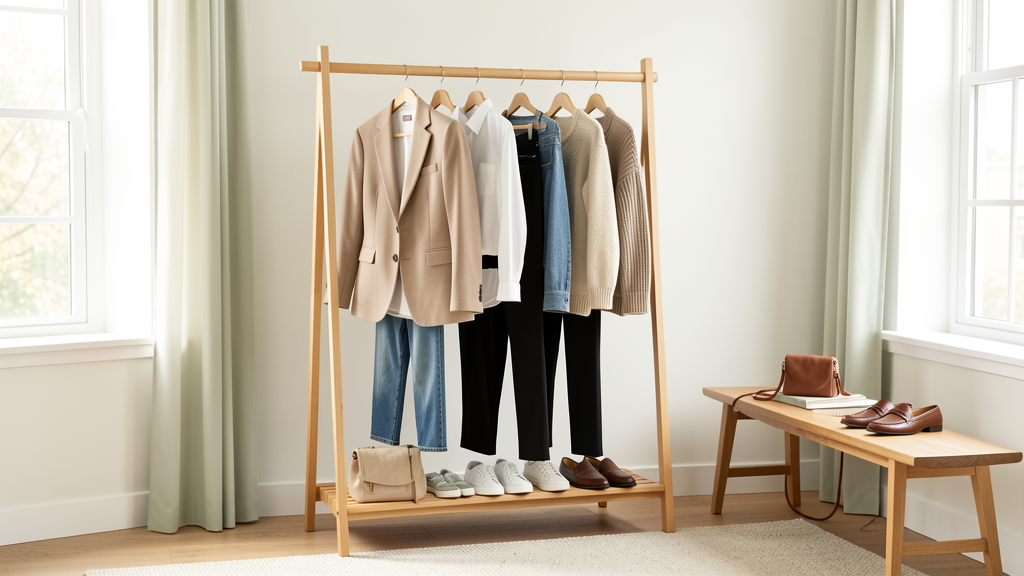
Quick answer: Start with your actual weekly activities, choose a small color palette, identify the gaps in your closet, and buy only pieces that can make at least three outfits. Fit, fabric, and repeat use matter more than labels or trend cycles.
What a versatile wardrobe actually means
Versatility is not the same as minimalism. You do not have to own a specific number of garments or dress only in neutral colors. A wardrobe is versatile when a high percentage of its pieces can be combined, layered, and adapted to more than one setting. A printed skirt that works with three tops, two pairs of shoes, and a jacket may be more useful than a plain dress you wear once a year.
The right wardrobe is also personal. Someone working in a formal office has different needs from a remote worker, a student, a parent who spends weekends outdoors, or a person living in a hot climate. Before you copy a capsule-wardrobe checklist, make sure the recommendations match your weather, dress codes, laundry routine, comfort preferences, and daily transportation.
Three rules for a more versatile wardrobe
Buy for your real schedule: prioritize the settings that fill most of your week.
Require multiple combinations: each new piece should work in at least three outfits you would actually wear.
Choose fit before novelty: a comfortable, well-fitting item will usually earn more repeat wear than a trend that is difficult to style.
Step 1: Map your real life before shopping
Begin with a simple two-week activity map. Write down where you actually go and what you wear: work, classes, errands, exercise, social plans, religious services, travel, and time at home. Then estimate the share of your month spent in each setting. This prevents a common mistake—buying for an imagined lifestyle while feeling underprepared for ordinary days.
Next, note practical constraints. Do you walk long distances? Does your workplace run cold? Do you wash clothes once a week? Are certain fabrics uncomfortable? Do you need pockets, easy-care materials, or shoes that tolerate rain? These details are not minor. They determine whether an item becomes a repeat favorite or an expensive hanger decoration.
Step 2: Audit the wardrobe you already own
Take everything out by category rather than emptying the entire closet at once. Review tops first, then bottoms, dresses, layers, shoes, and accessories. This keeps the process manageable and makes duplicates easier to spot. Try on uncertain pieces in good lighting and move around in them. Sit, reach, bend, and walk. A garment that only looks right while standing still is not truly functional.
Sort each item into four groups: wear often, needs a small fix, seasonal or occasional, and ready to leave. The “small fix” group is important. A loose button, an overly long hem, or a missing shoe insole may be cheaper to correct than replace. For the items you wear often, write down why they work. The answer may be color, rise, neckline, fabric weight, or ease of care. Those patterns are better shopping data than a generic essentials list.
Use the three-outfit test
Before keeping or buying an item, imagine three complete outfits you would genuinely wear in the next month. Name the specific shoes and layers, not just the general category. If the piece requires several additional purchases before it becomes usable, it is probably not solving a current wardrobe problem.
Step 3: Choose a flexible color system
A coordinated palette makes mixing easier, but it does not have to be dull. Choose two or three base colors for larger pieces such as trousers, jeans, jackets, and shoes. Black, navy, brown, gray, cream, olive, and denim are common options, but any colors that work together can serve as a base. Add two or three accent colors that flatter you and make the wardrobe feel distinctive.
Patterns can connect the palette. A striped shirt, floral skirt, or scarf that contains several of your chosen colors can create more combinations than an isolated statement piece. When shopping online, compare the listed color and fabric details across product photos because screen settings and studio lighting can shift how a shade appears.
Step 4: Build a practical foundation
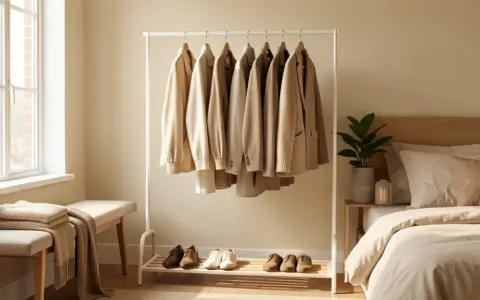
There is no universal list of wardrobe essentials. Still, most versatile closets include a few roles: comfortable base layers, reliable bottoms, one-piece outfits, light and warm layers, everyday shoes, and accessories that change the level of formality. Choose the version of each role that fits your life.
Tops that can change context
Look for tops that work alone and under a layer. A well-fitting T-shirt, knit top, button-front shirt, or simple blouse can move from casual to polished depending on the bottom, shoes, and accessories. Check whether the neckline sits correctly, the shoulder seam falls where intended, and the fabric remains opaque in daylight. The best top is not the most basic one; it is the one you can comfortably repeat.
Bottoms built around movement
A useful pair of jeans or trousers should work with several tops and at least two types of shoes. Test the waistband while sitting and check the length with the footwear you plan to use. If your routine includes commuting or long days, comfort and recovery after wear may matter more than a fashionable detail that limits movement.
Layers that create more outfits
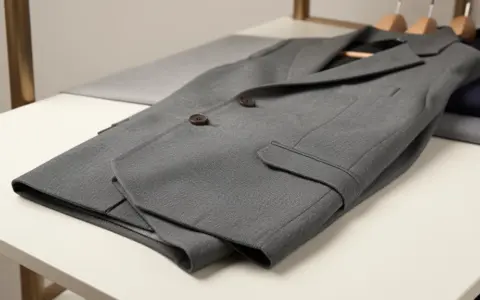
A cardigan, overshirt, blazer, denim jacket, or light coat can change the same base outfit. Layers are especially valuable because they add warmth, shape, texture, and formality without requiring a completely separate wardrobe. Prioritize a layer that closes comfortably and fits over your most frequently worn tops.
Shoes that support your schedule
Shoes often determine whether an outfit is realistic. Start with the pair you need most days, then cover a second setting such as work, exercise, wet weather, or a dressier event. Consider walking distance, traction, maintenance, and the socks you will wear. A discounted shoe is not a bargain if discomfort keeps it in the box.
Step 5: Set a budget based on gaps, not temptation
Choose a total amount you can spend without creating debt or disrupting essential expenses. If you need help framing that amount, start with a broader plan such as our guide to setting financial goals you can keep. Divide the clothing budget by priority rather than by item count. Replacing worn everyday shoes may deserve more of the budget than adding several low-use accessories.
Keep a short shopping list on your phone with the item, preferred color, fit requirements, maximum price, and the outfits it should complete. A precise list slows impulse purchases and makes sale browsing more useful. If a sale item does not match a documented gap, the discount is not saving money—it is simply reducing the price of an unplanned purchase.
Think in cost per wear—without pretending you know the future
Cost per wear is the purchase price divided by the number of times an item is worn. It is a helpful comparison tool, but the future wear count is only an estimate. Use conservative assumptions. A $90 jacket worn once a week for two cool seasons may offer better value than a $30 party top worn once, but only if the jacket fits, suits your climate, and coordinates with your clothes.
Also include care and alteration costs. Dry cleaning, special storage, frequent ironing, or a necessary hem changes the real cost. Sometimes a slightly higher upfront price for a washable, well-fitting garment is the more economical choice.
How to prioritize your clothing budget
| Wardrobe gap | Why it comes first | What to check |
|---|---|---|
| Daily shoes | They affect comfort and determine whether many outfits are practical. | Fit, traction, walking distance, weather, and return terms. |
| Reliable bottoms | A few well-fitting bottoms can support many tops and layers. | Waist comfort, movement, length, opacity, and care. |
| Useful layers | Layers extend outfits across settings and temperatures. | Room over base pieces, closure, fabric weight, and color compatibility. |
| Occasional extras | These add variety but usually solve less frequent needs. | Expected use, three-outfit test, storage, and budget impact. |
Step 6: Evaluate quality at any price point
Price and quality are related inconsistently. Examine the specific item instead of relying on a brand reputation. Check whether seams lie flat, hems are secure, buttons are reinforced, zippers move smoothly, and patterns align reasonably at visible seams. Stretch the fabric gently and see whether it returns to shape. Read fiber and care labels so you understand how the garment is expected to behave.
The U.S. Federal Trade Commission explains that most textile products sold in the United States must include fiber-content, country-of-origin, and responsible-company information, while care labels provide regular-care instructions. Those labels are practical tools: they can help you compare similar garments and avoid buying something that does not fit your maintenance routine.
Questions to ask before checkout
- Can I make three outfits with pieces I already own?
- Would I choose this at full price, or am I reacting to the discount?
- Does it fit my current body comfortably?
- Can I follow the care instructions consistently?
- Does it replace a worn item or fill a documented gap?
- Is the return policy realistic for the way I am shopping?
Step 7: Shop online with fewer mistakes
Online shopping is easier when you measure a garment you already like. Record its chest or bust width, shoulder width, waist, rise, inseam, and total length as relevant. Compare garment measurements whenever the retailer provides them; a size label alone is not a consistent unit across brands.
Read the product description for fabric composition, lining, closure, stretch, and care. Zoom in on seams and texture, and look at customer photos critically rather than assuming every review reflects your needs. Before purchasing, confirm shipping costs, return windows, refund methods, and whether final-sale items can be returned. Save the order confirmation until you have inspected and tried on the item.
Step 8: Make more outfits from fewer pieces
Once the foundation is in place, schedule a short outfit session. Choose one bottom and style it with three tops, two layers, and two pairs of shoes. Photograph the combinations you like. Repeat with another bottom or dress. An album of ready outfits reduces decision fatigue and reveals the remaining gaps more accurately than browsing new arrivals.
Accessories can change the emphasis without taking much space. A belt can define shape, a scarf can connect colors, and jewelry can make a simple outfit feel intentional. Use accessories to extend clothes you already enjoy rather than to rescue pieces that do not fit or coordinate.
A sample 12-piece starter plan
The following example is a planning exercise, not a required capsule. Adjust it for climate, dress code, and laundry frequency:
- Three tops: one casual, one polished, and one layer-friendly knit
- Three bottoms: everyday denim, a comfortable trouser, and a seasonal option
- Two layers: one casual jacket or overshirt and one polished cardigan or blazer
- One easy one-piece outfit, such as a dress or jumpsuit
- Two pairs of shoes covering everyday use and a second common setting
- One functional accessory, such as a belt, scarf, or everyday bag
These pieces can produce many combinations when their colors and proportions work together. The exact number matters less than whether each piece has a clear role. If dresses are not useful to you, replace that category. If your climate demands outerwear, prioritize it earlier.
A simple versatility test by item type
| Item role | Versatile examples | Pass the test when… |
|---|---|---|
| Top | T-shirt, knit top, shirt, or blouse | It works alone, under a layer, and with at least two bottoms. |
| Bottom | Jeans, trousers, skirt, or seasonal short | It works with several tops and at least two shoe types. |
| Layer | Cardigan, blazer, overshirt, or light jacket | It closes comfortably and fits over your common base pieces. |
| Shoe | Sneaker, loafer, boot, or sandal | It supports the walking, weather, and dress needs of your week. |
Common wardrobe-building mistakes
Buying an entirely new identity at once
A dramatic closet reset can feel productive but often produces regret. Personal style becomes clearer through repetition and small experiments. Add one category at a time, wear the new pieces, and use that experience to guide the next decision.
Keeping uncomfortable “someday” clothes
Clothes should support your current life and body. A small archive of meaningful or specialty pieces is reasonable, but a closet dominated by garments that do not fit can make dressing harder. Store sentimental items separately and keep the daily wardrobe focused on what is wearable now.
Ignoring laundry and care
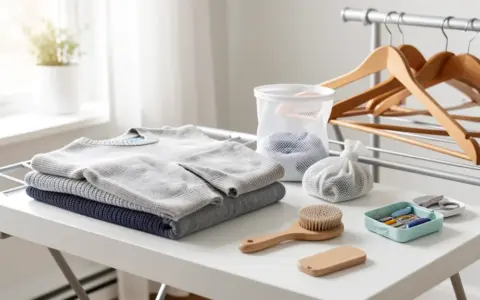
A wardrobe that requires more maintenance than your schedule allows will not stay functional. Check whether colors can be washed together, whether items need air drying, and whether you have enough everyday pieces to last between laundry days.
Confusing novelty with a missing gap
Seeing a new silhouette or trend can create urgency. Wait at least a day for nonessential purchases and compare the item with your written list. If you still want it, can afford it, and can style it repeatedly, it may be a worthwhile personal choice. The goal is not to eliminate fun; it is to stop accidental spending from controlling the closet.
How to maintain the wardrobe over time
Use a one-in, one-review habit: when something new enters, review the same category for items that are worn out, redundant, or no longer useful. This is not a strict rule that requires discarding a piece; it is a prompt to notice accumulation. Repair small damage early, follow care labels, rotate shoes, and store knits in a way that protects their shape.
Review the wardrobe at the start of each season. Look at your outfit photos, note what you wore repeatedly, and update the shopping list. A versatile wardrobe is not finished after one haul. It is a system that improves as you learn what works.
Frequently asked questions
How many clothes do I need for a versatile wardrobe?
There is no correct universal number. Laundry frequency, climate, work requirements, hobbies, and personal preference all change the answer. Focus on coverage: enough clean, comfortable combinations for your normal schedule, plus the specialized clothing you genuinely use.
Should every item be a neutral color?
No. Neutrals can make coordination easier, but a wardrobe can be colorful and still versatile. Repeating a few base and accent colors is more useful than removing color entirely.
Is it better to buy fewer expensive items?
Not automatically. Buy fewer items when that matches your needs, and judge each garment by fit, construction, care, expected use, and budget. An expensive item that stays unworn is poor value, while an affordable item worn frequently can be excellent value.
What should I buy first?
Start with the gap that causes the most friction in your week. That could be comfortable work pants, weather-appropriate shoes, layering pieces, or tops that fit properly. Solve the real bottleneck before adding decorative extras.
Final checklist
- Map your actual activities and climate.
- Audit what you own and record why favorites work.
- Choose a coordinated but personal color system.
- List specific gaps and set a maximum budget.
- Require at least three realistic outfits per purchase.
- Check fit, construction, labels, care, and return terms.
- Build gradually and review after each season.
Building a versatile wardrobe on a budget is less about finding a perfect shopping list and more about making connected decisions. When each item fits your body, supports your routine, and works with what you already own, getting dressed becomes easier—and your clothing budget goes further.

Logan Delaney is the staff byline for Cactos New Hub guides on personal finance, smart shopping, personal style, and everyday decisions. Articles under this byline are reviewed for clarity, usefulness, and internal consistency before publication.